Conservation Area Decorating
Conservation Area Decorating in Swansea


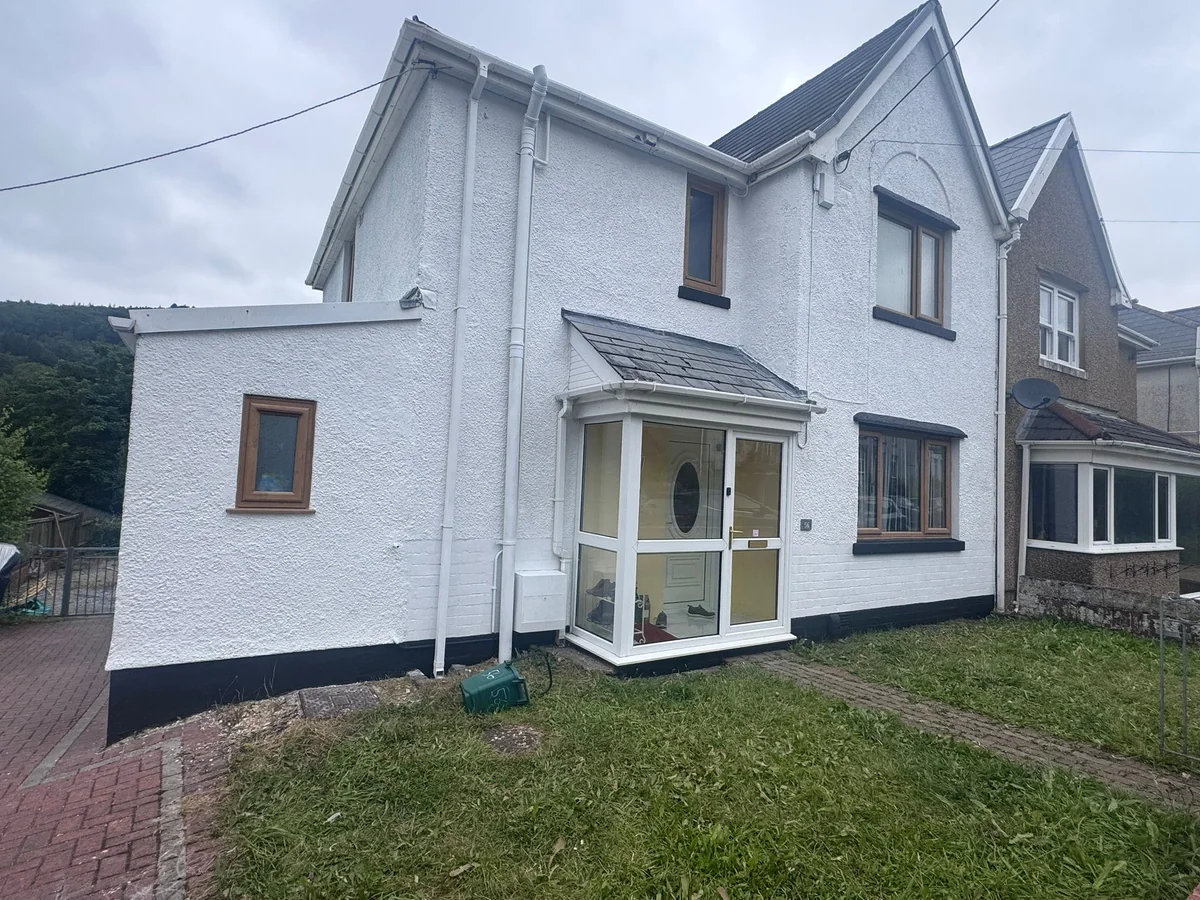
Do you live in one of Swansea’s conservation areas and want to repaint, but are not sure what you are allowed to change?
Swansea has 31 conservation areas, and the council decides what can change on the outside of a building there. This page gives you a short checklist to work through before you choose a colour.
- What Approvals Do You Need Before Painting a Listed or Conservation-Area Exterior?
- How Do You Tell If Your Walls Are Lime Plaster That Needs a Breathable Finish?
- How Do You Choose a Colour and Finish for a Building With Planning Controls?
Daffodil Decor connects people in Swansea with a trusted local decorator. Call 01792 949 708 before you choose a colour for a conservation-area property.



Why Choose Us
Why Choose Daffodil Decor
Local Swansea Coverage
Daffodil Decor connects people in Swansea with a trusted local decorator.
Substrate-Led Approach
The coating system is matched to what is actually on the wall.
Joiner Repairs Flagged
Rot and worn cords are raised as a repair job for the joiner, not a masking job for the painter.
Free Quote
Ask Daffodil Decor to check whether your property is inside a designated area.
Approvals
What Approvals Do You Need Before Painting a Listed or Conservation-Area Exterior?
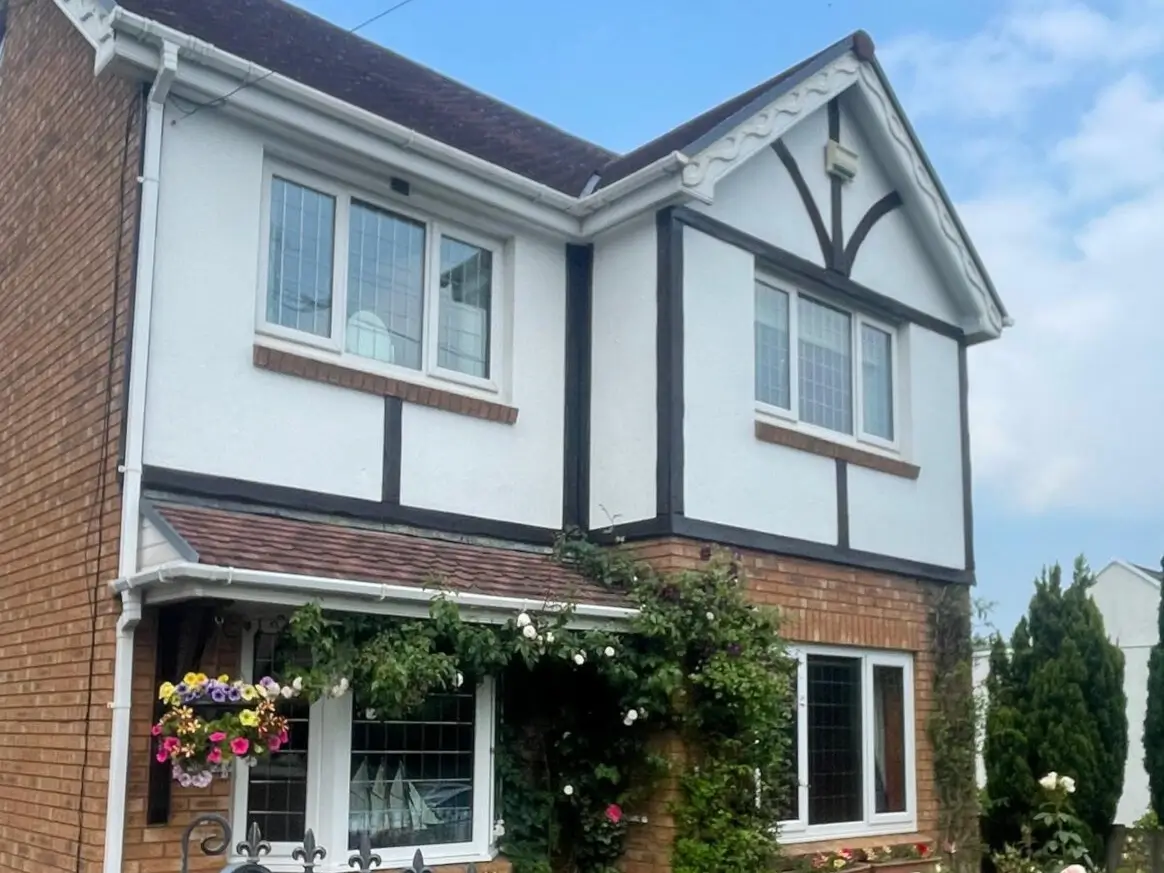
Check with the council’s conservation team before you change an exterior colour or render. A conservation area can restrict some outside changes even when the building itself is not listed. Render repairs and repainting are covered under render painting.
If the property is individually listed, you also need listed building consent. That comes on top of any conservation-area controls. Confirm which controls apply to your address before you order materials.
Lime Plaster
How Do You Tell If Your Walls Are Lime Plaster That Needs a Breathable Finish?
Many older Swansea properties have lime plaster or lime render under later coatings. Some have a breathable mineral paint system instead. Lime feels softer than gypsum and can craze into a network of fine cracks. For homes of every age, see our general guide to painting a period property.
A modern paint layer on top can trap moisture and cause similar-looking damage. Test a small area, or ask a decorator to check it, so you know what is there before you commit to a full paint system.
Moisture
What Goes Wrong When Modern Paint Traps Moisture?
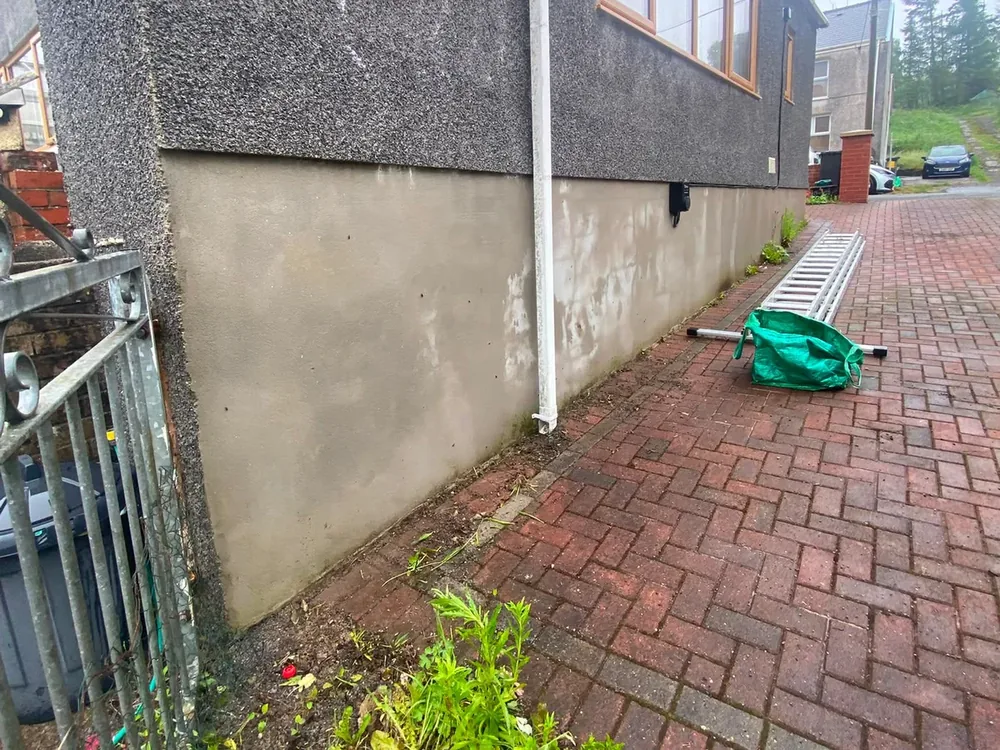
Modern masonry paint forms a sealed film that stops old walls breathing. Moisture then pushes out through the surface and blisters or peels the paint from underneath.
The same trapped moisture can appear as damp patches or mould on the inside face of the wall. A breathable, vapour-permeable paint system avoids sealing moisture behind the finish.
Before you spend on materials, check whether your property falls inside a designated area. Ask Daffodil Decor to check for you.
Check Before You Choose a Colour
Check your own property against the area rules
Sash Windows
How Should Sash Windows and Original Joinery Be Prepared?
Original sash windows need failing paint removed back to sound material. A light sand over the top is not enough. Frame repairs and repainting are covered under window frame painting.
- Loose putty. Raked out and replaced before any new paint goes on
- Rot and worn cords. A repair job for a joiner, not something a painter should cover up
- Running edges. Kept free of built-up paint so the sash still opens and closes freely
Too much paint on a running edge can jam a window that worked perfectly before the job started.
Lead Paint
How Is Old Lead Paint Handled Safely?
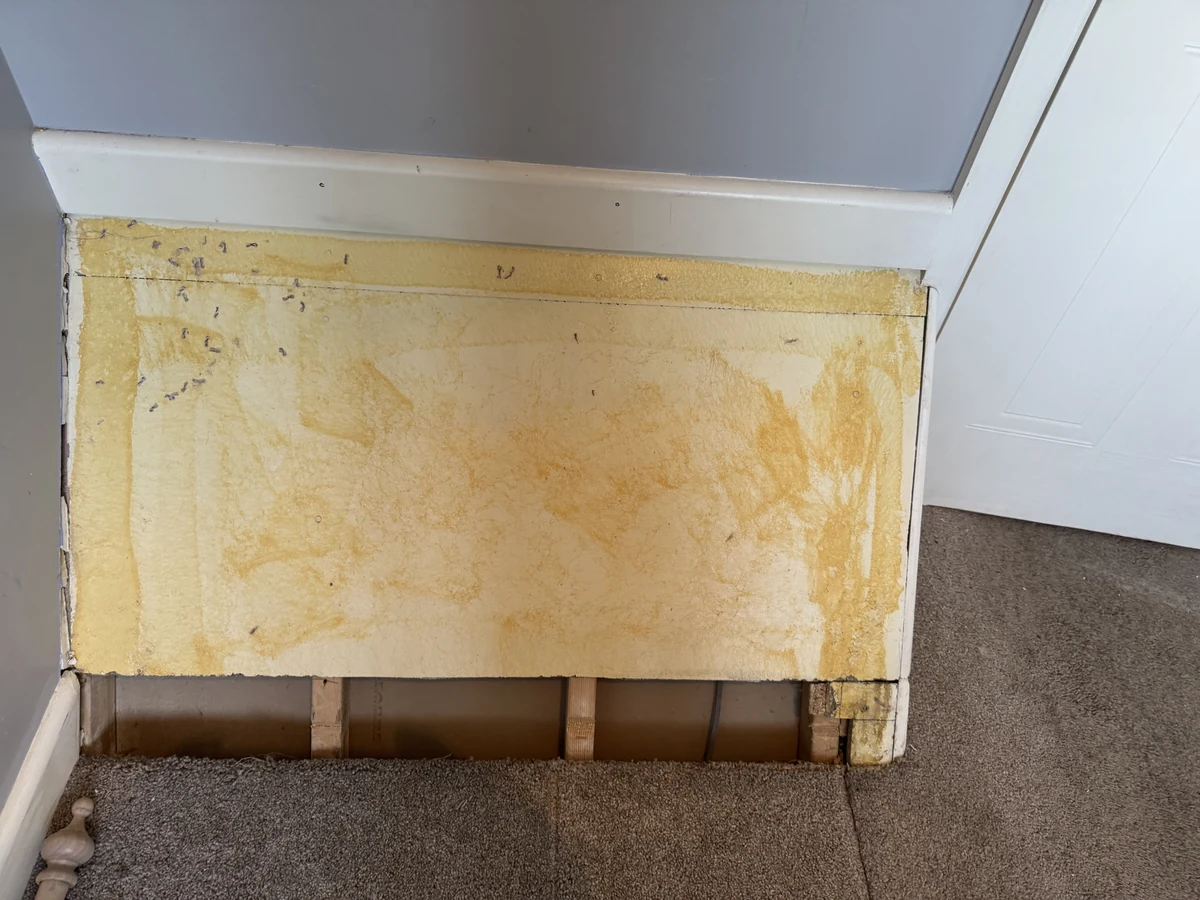
Assume older paint layers on a Swansea period property could contain lead. Windows, skirting and other joinery are common places to find it. Testing before you sand is the safer route, because you cannot tell from colour or age alone. Joinery preparation is covered under wood painting.
We do not set out a sanding or removal method here. The safe approach depends on the test result and the area involved. A decorator confirms the right containment and removal method once the test shows what is present.
Area Check
How Do You Check Whether Your Property Is in One of Swansea’s 31 Conservation Areas?
Swansea’s council guidance lists 31 designated conservation areas. Each one has a duty to preserve or enhance its character. Check the council’s own list and area map to confirm your street, rather than assuming either way.
The question is not whether you like a colour. It is whether the change to the outside of your building affects the character the area is designated to protect. That is the council’s real test.
What Does the Council’s Duty to Preserve or Enhance Character Mean for Paint Choices?
It means the council checks a proposal. It does not automatically refuse everything you might want to do. It weighs whether your specific change to render, colour or trim affects the area’s protected character.
That judgement is made on your actual proposal, not as a blanket ban on repainting. Check with the conservation team before ordering materials, rather than assuming a colour is ruled out.
Why Is a Short Local Check Worth Doing With Civic Centre Changes Under Discussion?
The council’s long-term partner is developing detailed proposals for the 23-acre Civic Centre site. That shows how much is under discussion elsewhere in Swansea right now.
None of it changes the rules already around your own conservation-area address. A short check with the council about your own street tells you more than a general sense that the city is changing.
Colours And Finishes
How Do You Choose a Colour and Finish for a Building With Planning Controls?
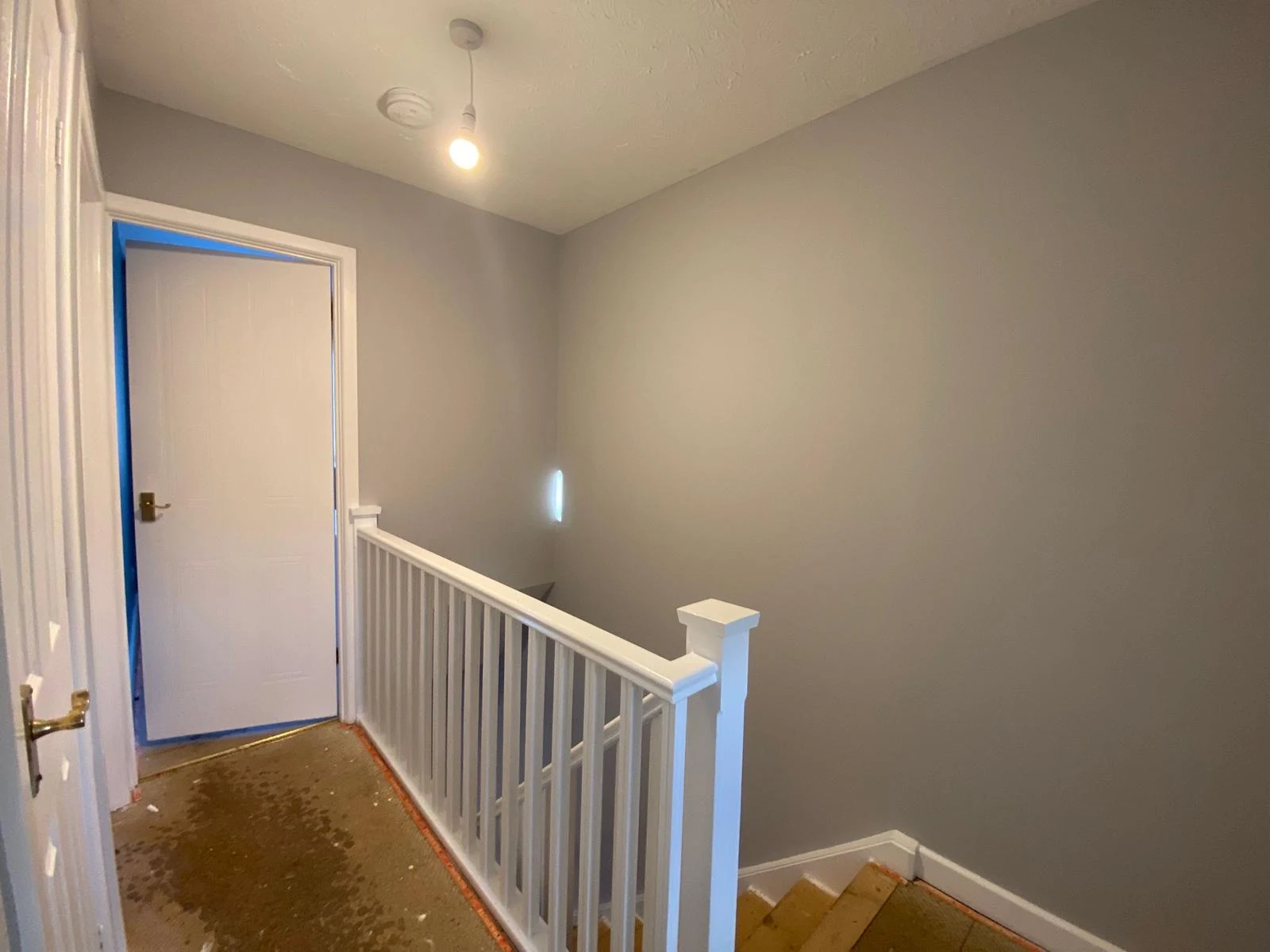
Choose the colour last. Two things need settling first:
- Controls. Any conservation-area or listing rules, confirmed first
- Substrate. The paint system matched to what is actually on the wall
Doing it in that order stops you buying paint that either breaks a rule or fights the wall underneath.
A breathable mineral or lime-compatible paint gives the widest colour range on older render, within those limits. A decorator can talk through the options once the substrate and any controls are confirmed.
To start, speak to the decorator covering Swansea about the right approach for your building.
Survey Agenda
The Survey Agenda Before Any Colour Is Chosen
1
Check Designation
Confirm which controls apply to the property with the relevant authority. A conservation area can restrict some external changes even where the building itself isn’t listed.
2
Diagnose Substrate
Identify whether lime plaster, lime render or a previously sealed surface sits under later coatings. Testing a small area confirms what’s there before a full system is committed to.
3
Match Preparation
Choose compatible preparation and coatings for what the substrate actually is. A breathable, vapour-permeable system avoids sealing moisture behind the finish.
4
Protect Joinery
Remove failing paint back to sound material on original sash windows. Loose putty is raked out and replaced, and running edges are kept clear of paint build-up.
5
Test And Control
Test painted joinery before sanding rather than guessing from colour or age. The test result determines the containment and removal method.
6
Record Approvals
Check the council’s own list and area map to confirm the property’s status. Approval and material decisions are recorded before colour is committed.
Period Notes
Is Every Victorian House in Swansea in a Conservation Area?
Not automatically. Many of Swansea’s older Victorian properties do sit inside a designated area, but age alone does not decide it. See our painting a Victorian house guide for period-specific preparation and paint advice, and use it alongside the conservation-area check on this page.
Daffodil Decor connects you with a local decorator who checks designation status before recommending a paint system. We arrange quotes in Swansea once the conservation-area check has been done, not before. Ask before any render or joinery work starts.
Period Property Decorating FAQs
Get My Free Quote
Fill in the form below for a free quote: